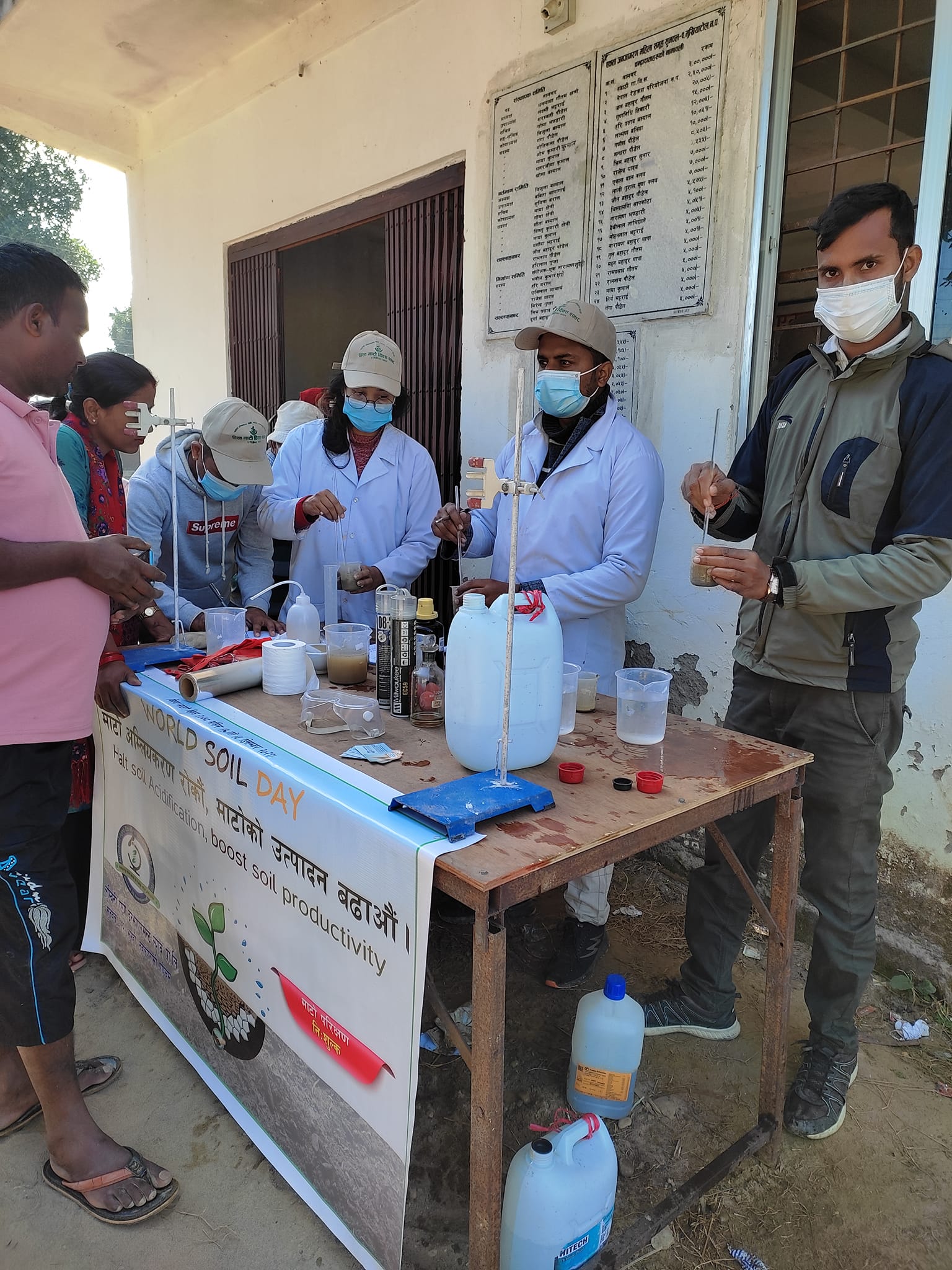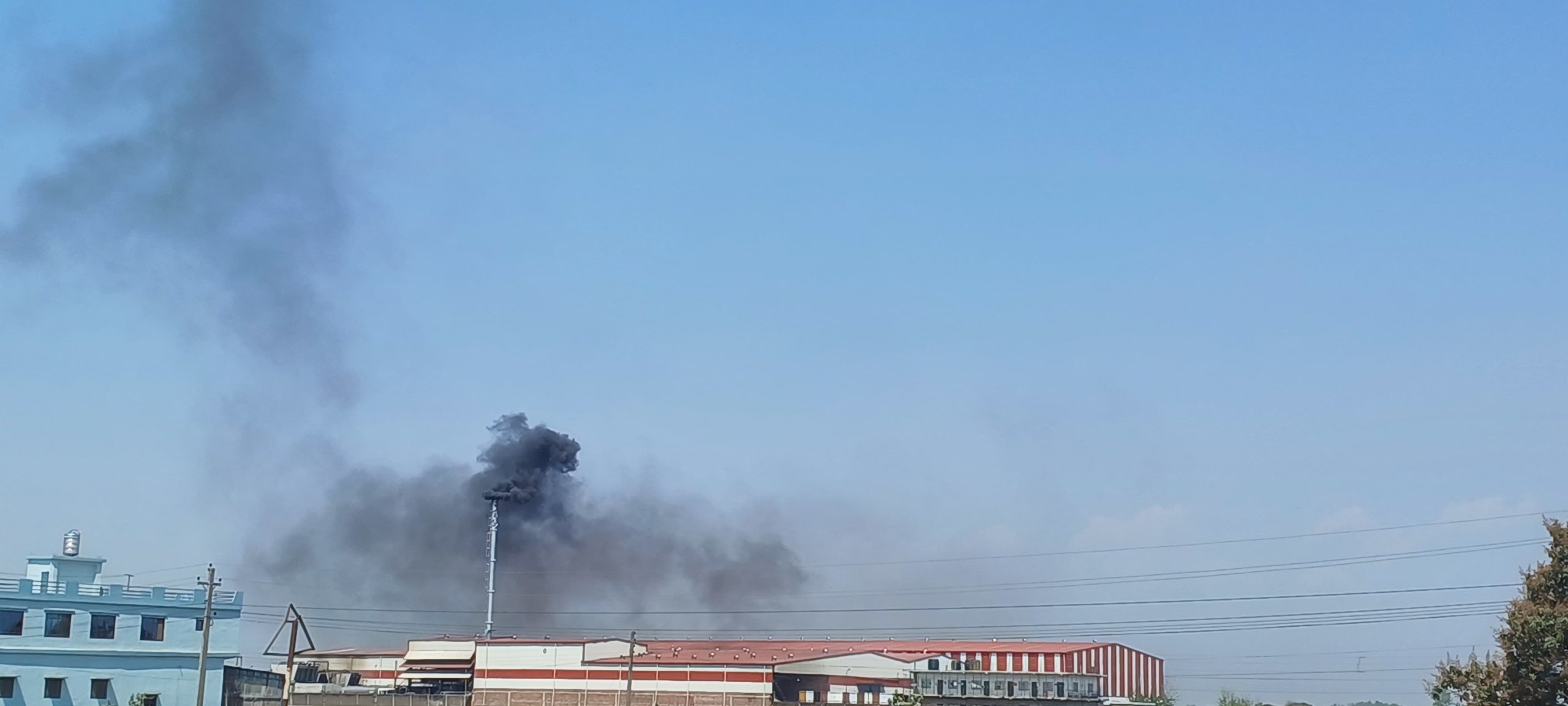
Lumbini Agro Environment Laboratory Pvt. Ltd. recently completed a comprehensive Environmental Examination (IEE) of Universal Granite Industry, located in Ramgram Municipality, Nawalparasi West. The study was carried out in compliance with national environmental standards and with the aim of assessing potential impacts while ensuring sustainable industrial development in the region.
Scope of the Study
The environmental examination covered:
- Baseline Environmental Conditions – measurement and analysis of air, water, and noise quality.
- Socio-Economic Conditions – assessment of the adjoining communities, nearby industries, and local livelihoods.
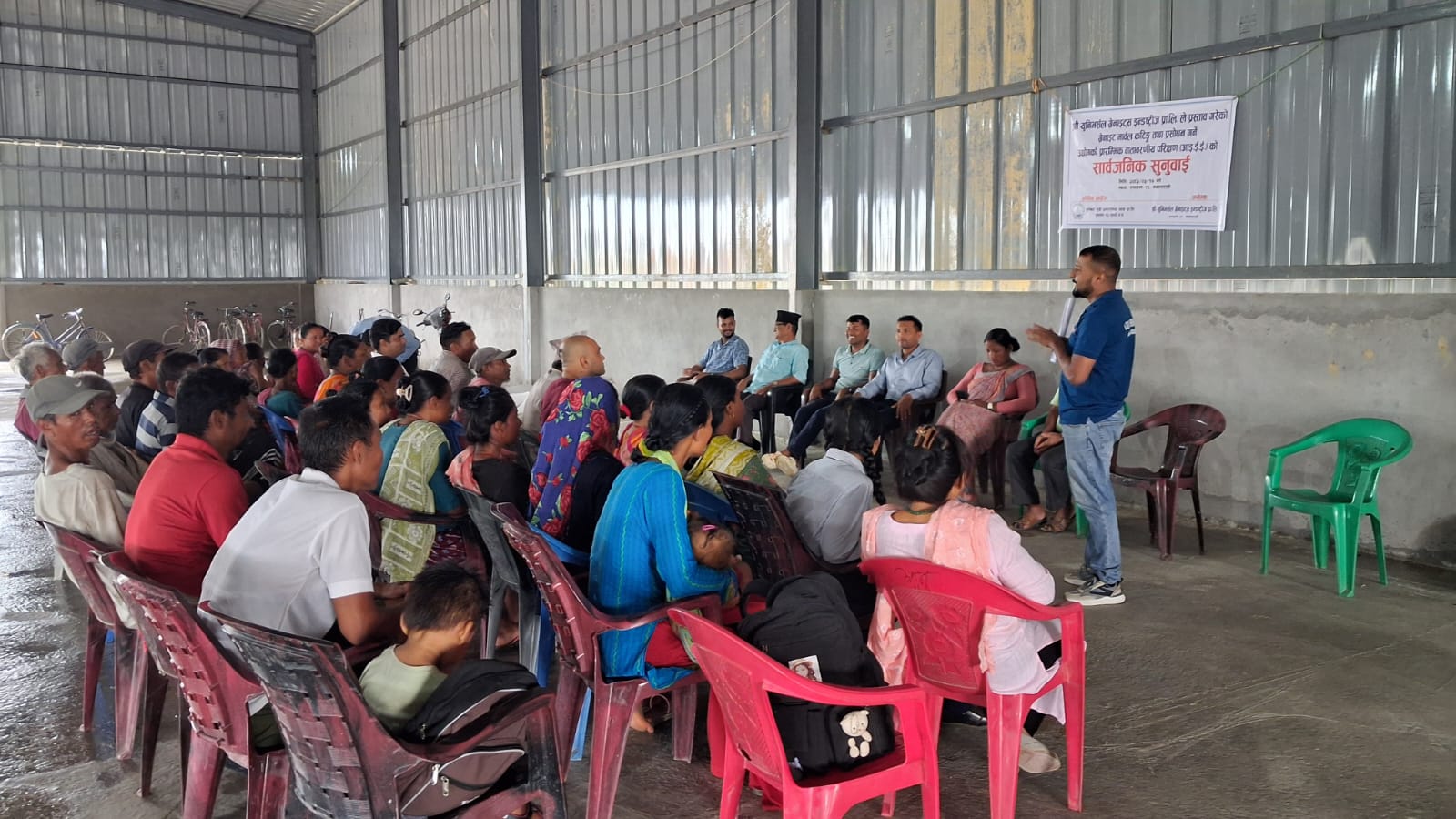
- Public Consultation – a formal public hearing to collect feedback, concerns, and suggestions from stakeholders.
This holistic approach helps ensure that industrial operations align with both environmental safeguards and community expectations.
Key Findings
1. Air Quality
Ambient air monitoring was conducted at strategic locations around the factory. The measured parameters (PM₁₀, PM₂.₅, SO₂, NOₓ, CO) were found to be within the limits prescribed by the National Ambient Air Quality Standards (NAAQS) of Nepal. Occasional dust emissions were noted near material handling zones, suggesting the need for dust suppression measures such as water spraying and covered transport.
2. Water Quality
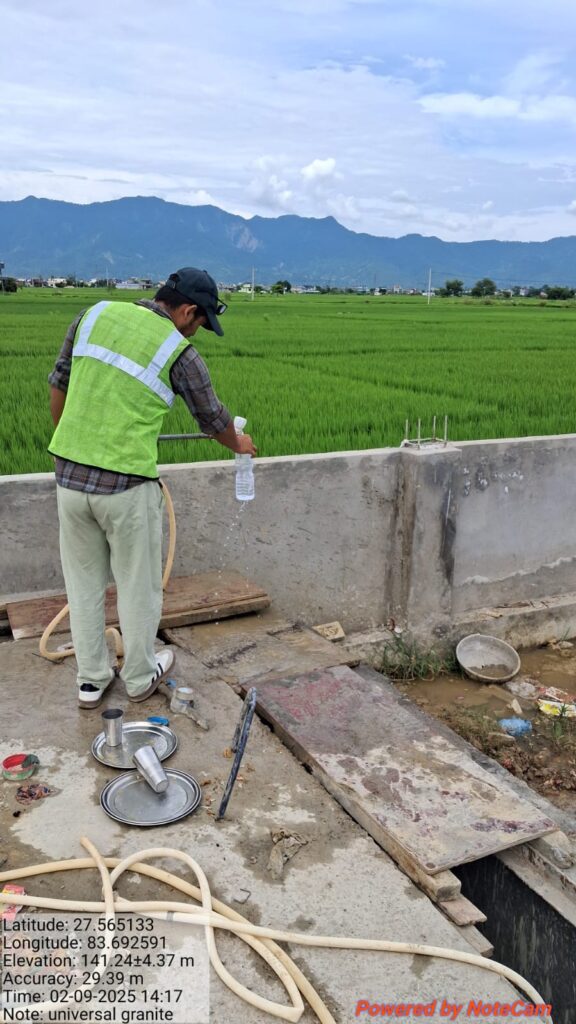
Surface and groundwater samples were analyzed for physical, chemical, and microbial parameters. The results showed that pH, hardness, dissolved oxygen, and major ion concentrations were within NDWQS (2079 B.S.) standards. However, recommendations were made to adopt periodic water monitoring and wastewater treatment provisions to safeguard downstream users.
3. Noise Levels
Noise measurements were conducted during working hours at boundary and sensitive locations. Recorded values were within national standards, though slightly elevated levels were observed during peak cutting and polishing operations. The industry has been advised to implement acoustic barriers, regular equipment maintenance, and provision of ear protection for workers.
4. Socio-Economic Context
The adjoining communities and nearby industries were surveyed to understand the social and economic linkages. The granite industry has contributed to local employment, skill development, and market activity, while also raising concerns about traffic movement and dust emissions. The consultation highlighted the community’s expectation for corporate social responsibility (CSR) initiatives, especially in road improvement and local environmental management.
Public Hearing Outcomes
A public hearing was conducted in the project area with the participation of local residents, municipal representatives, and civil society organizations. The session provided a platform for stakeholders to:
- Express support for industrial growth and employment opportunities.
- Voice concerns about dust, noise, and waste management.
- Recommend measures for tree plantation, greenbelt development, and CSR activities.
The feedback has been incorporated into the industry’s Environmental Management Plan (EMP).
Recommendations and Way Forward
Based on the findings, the following actions are recommended for sustainable operation:
- Adoption of dust suppression techniques and improved material handling.
- Installation of proper wastewater treatment and drainage systems.
- Noise control measures, including sound barriers and worker safety equipment.
- Regular environmental monitoring and reporting.
- Engagement in community development projects to strengthen local relations