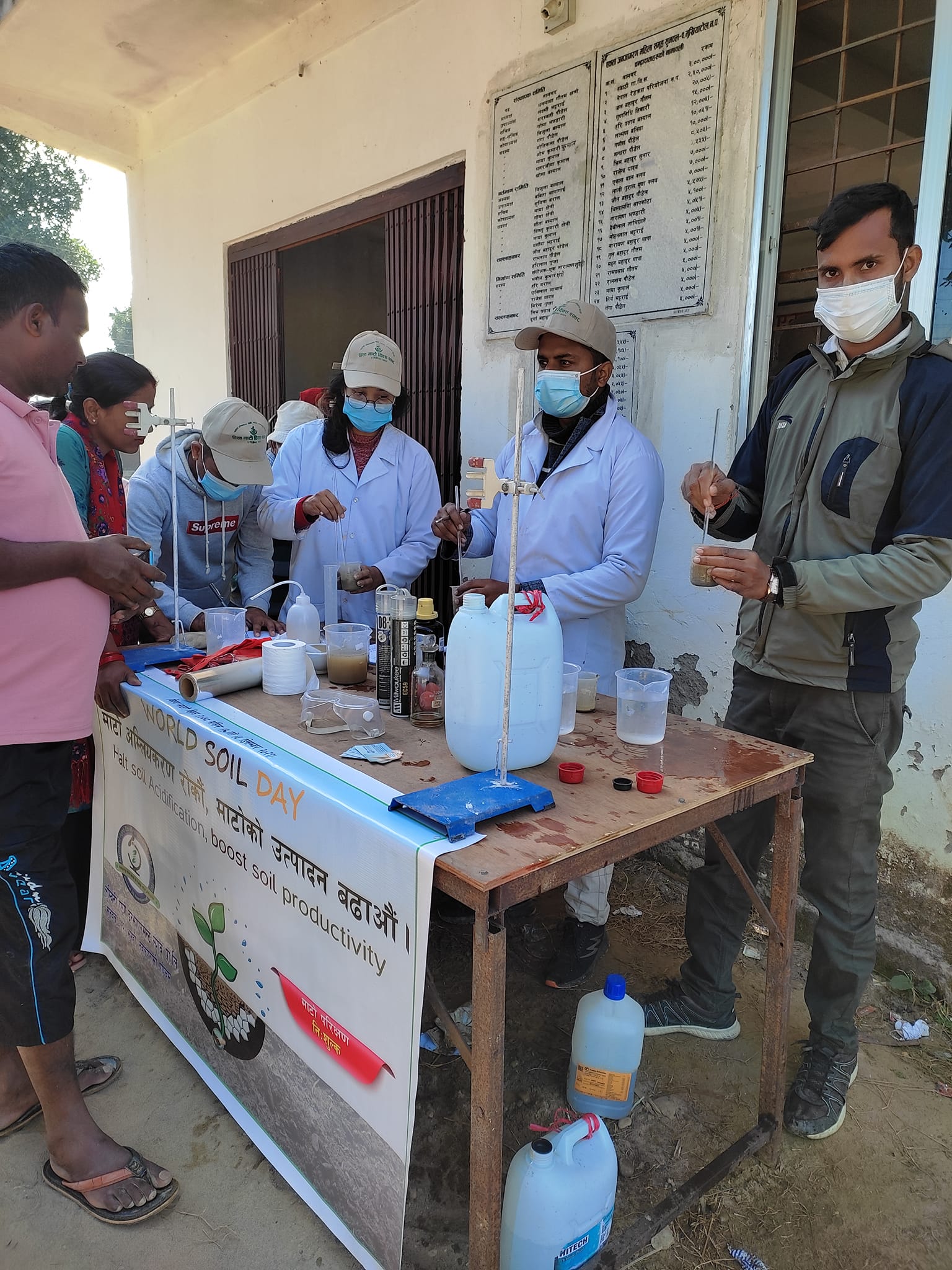
Sunwal, Nawalparasi – April 1, 2025 — In a major development set to benefit farmers, researchers, and agro-industries across the region, Lumbini Agro Environment Lab has officially announced the extension of its soil testing services to include Sulphur (S), Boron (B), Magnesium (Mg), and Calcium (Ca) analysis. This expansion is part of the lab’s ongoing mission to promote sustainable agriculture by providing comprehensive soil health diagnostics and recommendations.
With a growing focus on improving soil fertility, enhancing crop productivity, and ensuring balanced nutrient management, this new testing capability marks a significant milestone for the lab and its commitment to environmental stewardship and agricultural excellence.
Addressing the Need for Secondary and Micronutrient Testing
Soil testing has long been dominated by the analysis of primary macronutrients — Nitrogen (N), Phosphorus (P), and Potassium (K). However, secondary nutrients such as calcium, magnesium, and sulphur, along with micronutrients like boron, play an equally crucial role in crop development, plant metabolism, and yield quality.
“In many parts of the Terai region and hilly agricultural belts of Nepal, nutrient deficiencies in sulphur and boron have become increasingly common due to intensive cultivation, imbalanced fertilizer use, and depletion of organic matter,” said Kiran Kumar Gupta, Lab Director of Lumbini Agro Environment Lab. “We recognized the urgent need to fill this gap and empower farmers with data-driven solutions for nutrient management.”
What the New Services Include
The extended services now available at Lumbini Agro Environment Lab provide accurate quantification of:
- Sulphur (S): Essential for protein synthesis and enzyme activity, sulphur deficiency often leads to yellowing of young leaves and stunted growth in crops like oilseeds and legumes.
- Boron (B): A key micronutrient required for cell wall strength, reproductive development, and sugar transport. Its deficiency can lead to poor flowering and fruit setting, especially in crops like vegetables, pulses, and fruits.
- Magnesium (Mg): Central to chlorophyll synthesis, magnesium is necessary for photosynthesis and energy transfer within plants.
- Calcium (Ca): Important for cell division and membrane function, calcium also plays a vital role in root development and nutrient uptake.
The laboratory uses standardized chemical extraction methods and high-precision instruments to ensure reliable results, interpreted against global and local critical limits
Modern Equipment, Trusted Results
To support this extended testing, the laboratory has upgraded its infrastructure with flame photometers, spectrophotometers and titration units. Alongside these technological advancements, the laboratory team has undergone specialized training in micro- and secondary nutrient analysis techniques.
“All soil samples are processed following standard procedures for air drying, sieving, and appropriate chemical extraction. We follow protocols based on ICAR and FAO guidelines,” explained Mr Sudip Paudel Managing Director at Lab. “Our goal is to deliver not just numbers but meaningful interpretation — including deficiency diagnosis and correction strategies tailored to local crops.
Who Can Benefit?
These extended services are now available to a wide range of clients:
- Farmers: Both smallholders and commercial farmers can optimize fertilizer use, reduce input costs, and increase yield quality.
- Agricultural cooperatives: Support member farmers with group testing and advisory programs.
- Government and NGOs: Implement sustainable land management practices and monitor soil health.
- Educational institutions: Use the lab’s results for research, field studies, and academic projects.
- Private agro-industries: Ensure raw material quality and collaborate on contract farming initiatives.
Additionally we are already providing soil testing services like pH, EC, SOM,N, P and K along with Texture.